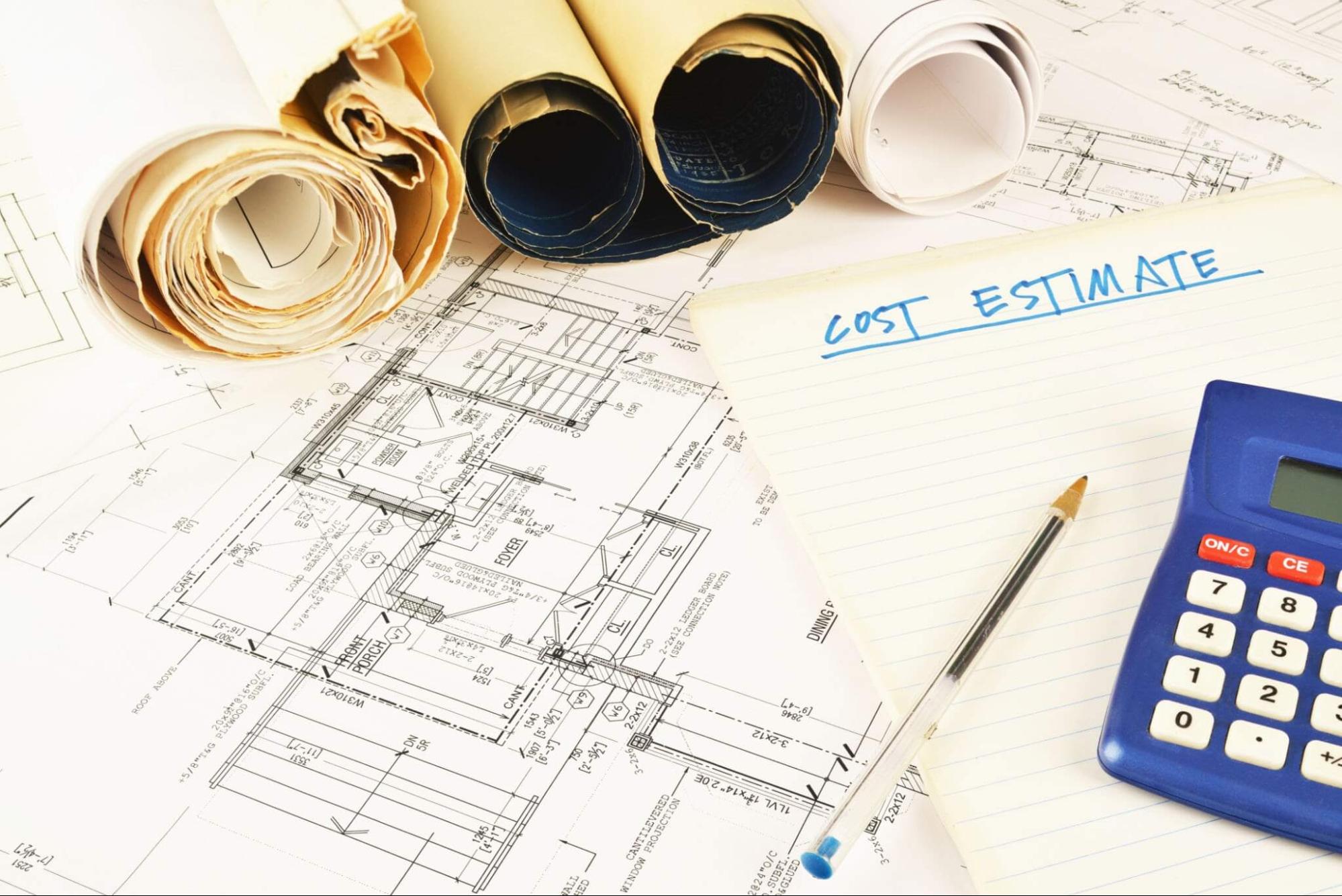


Do you know exactly what it costs your business to produce one unit of your product?
You might have a rough estimate. But what we find with the majority of clients who come to us is that even when owners have a solid working knowledge of their production cycles, very little of it is formally documented. That gap is a real problem, and it tends to show up most painfully at tax time.
For product-based businesses, the IRS only permits deductions tied to your cost of goods sold. That sounds straightforward, but qualifying for those deductions requires two things: your financials must follow generally accepted accounting principles, and your cost accounting must be documented in detail.
Without a clearly mapped production schedule serving as the foundation for your inventory cost calculations, you are almost certainly missing deductions you are legally entitled to. The documentation is not optional. It is the evidence that supports every cost-related deduction on your return.
Proper cost accounting documentation does more than protect you at tax time. It also gives you faster access to more accurate management information, which means you can make timely decisions about pricing, production volume, and purchasing with confidence rather than guesswork.
When your cost data is current and well-organized, you can spot margin problems early, identify your most and least profitable product lines, and adjust your strategy before small issues become expensive ones. This is exactly the kind of financial visibility that CFO-level guidance is built around.
Not every accountant understands the nuances of production-based businesses well enough to help with this process. When you are interviewing a prospective CPA or accounting firm, ask them directly how they plan to help you document your cost accounting procedures. Ask what their process looks like for capturing production data, how they structure cost-of-goods calculations, and how they will give you ongoing access to your financial documents when you need them for real-time decisions.
The right accounting partner does not just show up at year-end to file your return. They build the documentation framework that supports your tax planning strategy throughout the year and helps you grow with clean, reliable numbers underneath everything.
If you run a product-based business and your production costs are not fully documented, you may be missing deductions you have already earned. We work with business owners to build the cost accounting framework that supports cleaner books, better tax outcomes, and smarter day-to-day decisions. Let us take a look at where things stand.

Christine Gervais
Christine Gervais is a licensed CPA, using her skills to help businesses grow and achieve their fullest potential. Christine has a Master’s degree in accounting from Southern New Hampshire University in addition to holding her CPA license for over a decade. Notably, Christine is a nationally recognized speaker providing education to other CPAs on how to best serve clients as well as instruction on a wide variety of topics for business owners on how to maximize success. Christine prides herself on the value she can bring to clients with her extensive tax knowledge and provides strategic, forward-thinking financial strategies to help clients grow. When not behind her desk, you can find Christine spending quality time with her daughter and stepson or tending to the family’s excessively loved farm animals.